How to improve child mental health

What is child mental health?
Every single one of us has ‘mental health’, of which will fluctuate throughout our lifetime, depending on a variety of factors.
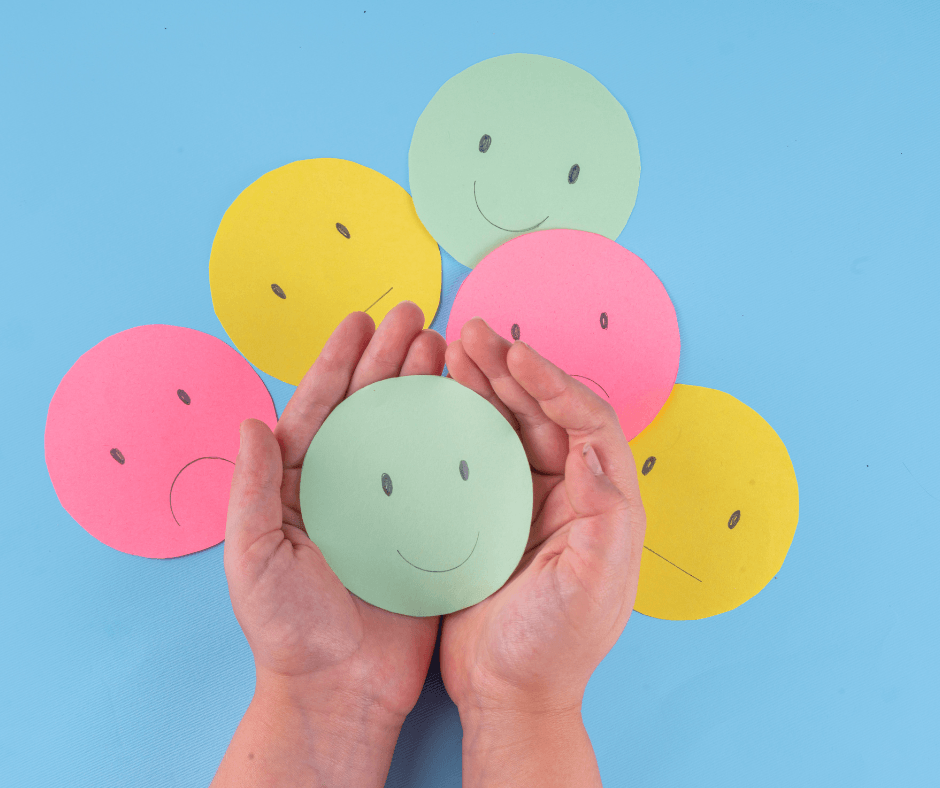
Child mental health considers a child’s emotional, psychological and social wellbeing, all of which influence how they think, feel and behave.
It also encompasses the idea of resilience, which would consider how they cope with challenges, problem solve, manage relationships and manage their emotions.
At what age do child mental health issues start?

It might be surprising to hear that child mental health issues can start at any age. This can be in direct relation to a trauma that the child has experienced or an illness.
As a child and adolescent Psychoanalytic Psychotherapist I work with children from birth up until they turn 25.
There are statistics indicating that half of all adult mental health conditions begin before the age of 14, and 75% before the age of 24.
Spotting the signs that your child is struggling

Depending on the child’s age, you might notice that their world starts to get a little bit smaller. Things that they had once enjoyed doing they now don’t want to do. They seem to be low in mood and might be struggling to find any enjoyment in day to day activities. Their sleep might increase or decrease significantly and they might seem overly distracted.
Often some of the first things you will be aware of is the child’s complaint of a physical ailment, often an upset stomach. Of course this should be investigated with the GP but you might find that there is no underlying cause, and so it might be the first sign of an anxious ‘wobbly’ feeling that the child can’t make sense of. Headaches are another common complaint as the child struggles to process their feelings.
These are very common areas of concern that arrive and it might be that there has been some life event that has triggered these feelings. Improving your child’s mental health starts with noticing that something has changed for them.
What are the most common mental health conditions in kids?

As a therapist, the most common disorders I see include anxiety and depression along with behavioural issues. These issues stem from a whole host of difficulties that the child has experienced and is something that we work through using play, observation, interpretation and parent work.
It is so important that the parents of the child can be helped to make sense of the child's internal world. We would think of behaviour as communication, and if parents can develop the skill of NOTICE, NAME, NURTURE, then real change can begin for both child, parents and family.
Building emotional literacy

What does this mean? It means helping your child to understand and name their emotions. You might think, well that’s easy! But children are struggling to differentiate between emotions, sad, angry, frustrated, irritated can easily become bundled into ‘anxiety’.
There is an idea that the feeling of anxiety should be eliminated, and yet it is a powerful safety tool that we all need. We also need to be taught to work with it, to power us into action, to develop problem solving skills and build resilience.
Avoiding it doesn’t make it go away! Helping children to understand how they feel, express these feelings in a healthy way leads to an adult who can emotionally regulate and figure things out.

Creating routines that support mental health
Creating routines will help your child and teen feel safe and know what the boundaries are. One of the reasons I offer therapy sessions that are the same day, time and room is because it builds safety and trust.
The child or young person begins to know what to expect, and trust me, if something is missing from that room or changed, they know it!
Creating routines and having boundaries that don’t feel punitive at home will support your child's mental health in a positive way. This might include sleep time, dinner time/routine - all sit at the table, devices away, device time, activity times.
However you structure your day, for a child who is struggling knowing what to expect helps to relieve some of the overwhelming feelings that can quickly spiral. In the Parenting Insight Pod we often think about the challenges parents have when instilling routines and boundaries that haven’t been there before.
Encouraging healthy coping strategies

Coping strategies will mean different things to different people, but healthy coping strategies can begin with a simple self soothing box. Take a container (doesn’t need to be a box, could be a basket or something else that is easily accessible), and using your 5 senses, place something for each in the box that is pleasurable. So something you like to smell, taste, hear, feel and see. This could be something you make together with your child, and it can be used then to bring a sense of calm when feeling overwhelmed.
You can also use breathing techniques to help calm, such as square breathing. Using a window, tv, picture, follow the outline with your eyes, breathing in to a count of 4 and then, again using your eyes follow the outline of the object in the opposite direction and breath out to the count of 4. This a quick, easy way to regulate breathing when you are feeling overwhelmed.
Something I often think about with the children, teens and parents I work with is what strategy works best for them. You are much more likely to succeed if you use something that ‘fits’ you.

Supporting, not fixing
As the child’s parent or carer you absolutely CANNOT fix them. We have this idea as parents that we can do anything - and of course we would do anything - to help our children. But, we don’t have a magic wand. This is both frustrating and can feel immensely sad, but if we can sit with the pain of acknowledging that we can’t ‘fix’, we can move into a position of really supporting our child through some really difficult emotions.
That doesn’t mean providing the answer, it doesn’t mean doing everything for them, it means being there alongside them. It is not easy being a parent, and if your child is struggling with their emotional health, one of our go to thoughts is ‘is this my fault’, ‘am I a bad parent’, ‘could I have done something differently’. Well, all the beating up of yourself that you will inevitably do is not going to help, beat yourself by all means, then park it and if necessary seek out help for you and them.
I speak to parents every day who feel guilty and like they must’ve done something wrong. I can tell you with 100% confidence that I have never worked with a parent and thought you’ve done this parenting thing all wrong! I have thought about how difficult it is for them, and then how I can best help them get unstuck and move forward.
When to seek professional help

If you are struggling to make sense of what is happening for your child, then you can bet your bottom dollar that your child will be struggling too. Asking for help from services will help inform you of your options and give you ideas of what is available in your local area.
Often local Mind associations https://www.mind.org.uk/ will have a huge amount of information on what is available and how you go about reaching them. Your child’s school and GP are also first ports of call. If however you are really concerned about how your child is feeling/responding you can always take yourselves to A&E and ask for an assessment. This will be especially important if your child has been self harming or attempted to take their own life.

Caring for yourself too.
Your emotional health is just as important, if you’ve been on a plane you will know that during the safety briefing they tell you to put on your oxygen mask first before helping others. You cannot support your child to the best of your ability if you are running on empty.
Find ways to give yourself breathing space.
Seek out support for you, if this is a coffee date with friends or asking family to offer some support then it’s important that you feel you have a space to express your feelings.
FAQs
Often this will be very subtle and you might even think that it is ordinary ‘teenage’ behaviour (if they are teens). It can be a feeling that you pick up on or you notice that their world starts to become smaller. If you are beginning to wonder, keep a little note of things that you are noticing, but also speaking with your child about emotions might help to give you an insight into how they feel.
This can be a tricky one to identify, and will depend on your child’s age. Keeping track of the things you are noticing and if they begin to step away from things they once enjoyed may be a sign that something is feeling wobbly for them.
This is an important question, but chances are you won’t make it worse, but what you will be doing is showing them that you’ve noticed something and that you have been thinking about them. Using statements such as ‘I’ve noticed’ and ‘I’m wondering’ rather than things like ‘why are you doing……’ and ‘what’s wrong with you’, will likely shut the child down and they will be much less likely to talk to you.
Talking when you are doing an activity, such as driving, will take the pressure off as you’re not looking at each other, but be mindful of what you are saying. Waiting for the child to start to talk after you’ve said something like ‘you know I’ve noticed that you don’t seem to be hanging around with Ben so much anymore’ and then giving the child time to process what you’ve said will be much more helpful than you trying to pressure them into an answer. If they shrug and don’t reply, don’t force it! They know you’ve noticed and that might be enough for now.
Creating a sense of safety and calm in the home environment helps the child be themselves. Having boundaries and routines that both give space for the child to express themselves and to know what is expected (as long as they aren’t too harsh) will also help boost their mental wellbeing.
You can say ‘I’ve noticed that you seem to be: upset, distant, sad (whatever it is you’ve noticed), if you want to tell me about it, I’d love to listen. Offering the space without pressure might seem to fall on deaf ears initially, but later they might come to you to talk. If there is someone in the family that they feel close to, and whom you know they like to talk to, you could also offer that as a suggestion. ‘You seem really able to talk to nan, we can go see her or call her if you’d like to talk to her about what’s on your mind’.
Don’t force it. But offering helps the child know that you are thinking about them.
It can be a sign of positive mental health as they are displaying how they are feeling - i.e frustrated, angry, sad, irritated, rather than keeping it inside or constantly being the ‘good child’.
Additionally it can also be a sign that they are becoming overwhelmed and might need your help to regulate these emotions. A young child will need your help to regulate, they become more able to do this as they get a little older, but will likely regress as they hit adolescence and their brain begins to adjust and develop. Chances are they will need you to help them regulate emotions again during that stage.
Think about the ‘why’, why do you feel that you need to fix everything for them? It can be really difficult seeing your child upset, but if they never work through these feelings, learning how to problem solve will be tricky for them. What happens when you aren’t with them? Developing these skills will be invaluable for them throughout life.
Finding yourself support would be the first step. You are right, trying to hold your child’s emotional health in mind when you are struggling is so difficult, and completely understandable.
If what you are noticing has been happening for several weeks and it seems to be getting more difficult for them, a trip to the GP, a conversation with school would be the first steps in seeking professional help.
Your GP and the child’s school would be the first step in requesting a referral. Write down what you have noticed about your child’s behaviour - give examples of the changes you have noticed and any significant life events that might be impacting your child. Referrals will be sent in via GP/School, you might also be asked to complete some forms and then it will be a bit of a wait for an assessment if the referral is accepted.
This is tricky! They might not be ready to talk to anyone or they might feel that they have to put into words how they feel - and maybe that feels overwhelming. Maybe they don’t have the words, and so a therapist that uses play might be really helpful. Of course, there might be a struggle getting them there and so speaking to your GP may also help - they might know of local services who will come to the home.
I’ve created the Parenting Insight Pod Membership for parents just like you who want to do the right thing, who want to know how best to support your child using the but just don’t know where to turn. You can register to learn more about the Parenting Insight Pod Membership here https://www.thethinkingpod.com/membership Inside the membership, you will learn the NOTICE, NAME, NURTURE technique which will help you help them, build your confidence and to know that you aren’t making things worse you are helping your child to feel safe.
Need More Help?
If you’d like to chat with me about therapy or coaching - for yourself or your child - I'd love to connect.
You can book a free discovery call right here
Let’s talk through what’s going on and see how I can support you.
You’re not alone in this.


#intrusivethoughts #mentalhealth #parenting #parentingsupport #anxietysupport #emotionalwellbeing #mindfulness #stressmanagement #mentalhealthmatters #youarenotalone #selfcare #mentalhealthawareness #parentingcoach #thethinkingpod #coachingforparents

Charlotte Cook is a Doctoral trainee specialising in psychodynamic thinking, helping parents and carers to understand and support children and teens in their care with their emotional and mental health. Charlotte lives in South Wales with her teenage daughter and is currently the first Doctoral trainee of child and adolescent psychotherapy within South Wales. With 25 years working with families, Charlotte is passionate about parents and carers being seen as the professionals to help their children and young people receive the support they need to live a fulfilled life.
Want to receive our weekly blogs every week straight to your Inbox?
Connect with us on social media


Privacy Policy | © 2024 The Thinking Pod All Rights Reserved